Arthroscopy Shaver Blades and Burs Manufacturer

Our Factory accept 100% customization of all kinds of Shaver Blades and Burs, high quality, high cost performance.

Arthroscopy-Shaver-Blades-And-Burs-Manufacturer-banner

What is Shaver Blade And Bur?

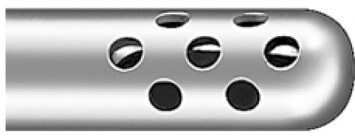
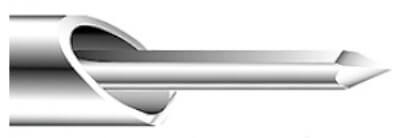
Shaver Blade is also called razor blade, cutter, but here our Shaver Blade is mainly used for medical-surgical procedures, Mainly used for arthroscopy, endoscope, Orthopedics, turbinate reduction, concha bullosa resection, anterior and posterior ethmoidectomy, septal spur and polyp removal, septoplasty and more.

The shaver system blades are designed for shaping bone and for the resection of soft and hard tissues during ENT surgical procedures. The single-use straight and curved shaver system blades with double serrated cutting edges of different diameters.
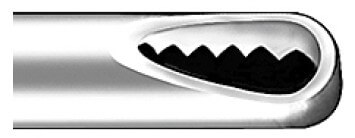
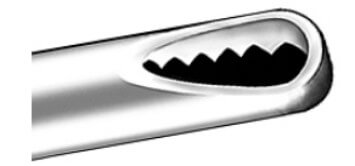
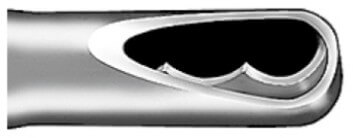
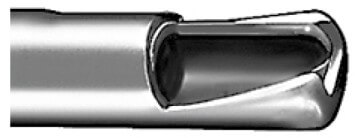
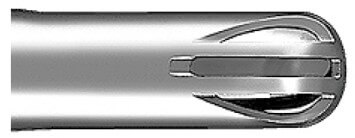
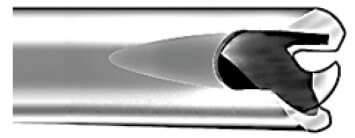
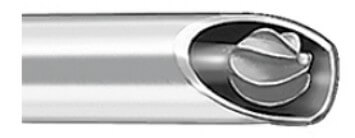
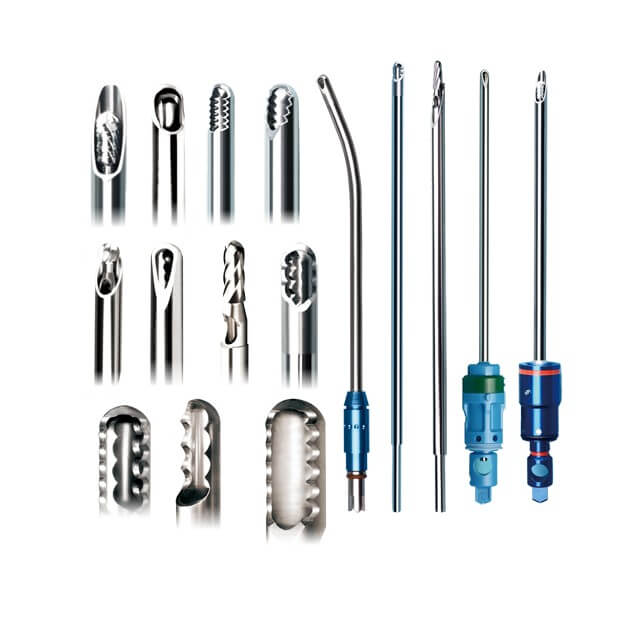
Shaver Blade comes in many shapes, such as aggressive plus, resector, tomcat, scalloped, double bite, slotted whisker, whisker cutter, cougar, end cutter, true end, angled aggressive plus, angled resector, angled tomcat, angled double bite, reciprocating action, meniscus cutter, dual-purpose meniscal and more.

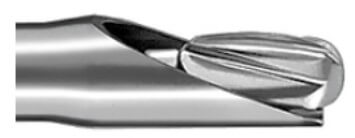
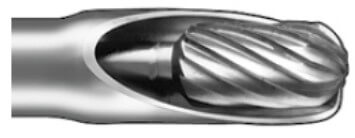
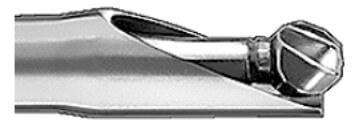
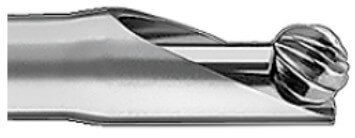
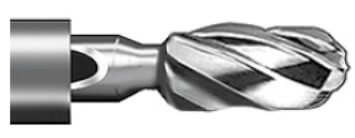
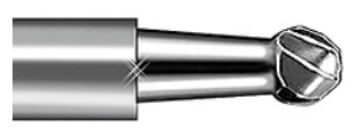
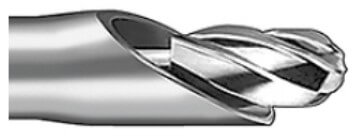
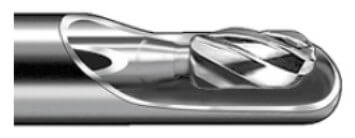
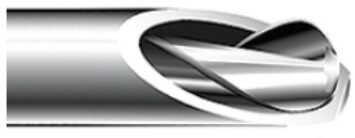
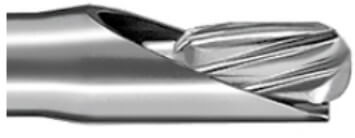
Also, Bur coms in many shapes, such as barrel burs, round burs, unhooded barrel burs, egg bur,auger bur,subchondral drill, left helix barrel bur, left helix barrel bur and many more.

We are medical shaver blades and burs OEM Factory, We mainly customize various kinds of medical shaver blades and burs according to customers’ requirements and drawings.
Usually, shaver blades and burs material is SKH4B/SUS440c with HRC54°+/- 2°, machined and welded to SUS304L/ SUS316L stainless steel pipe, High quality, super sharp hardened tip, various sizes available: 3.5, 4.2, 5.5, 6.5mm, etc.

Gallery of Shaver Blades

1-aggressive-plus-cutter
Aggressive Plus
11-angled-aggressive-plus-cutter
ANGLED AP
2-resector-cutter
Resector
12-angled-resector-cutter
Angled Resector
3-tomcat-cutter
Tomcat
13-angled-tomcat-cutter
Angled Tomcat
5-double-bite-cutter
Double Bite
14-angled-double-bite-cutter
Angled DB
4-scalloped-cutter
Scalloped
9-end-cutter
End Cutter
6-slotted-whisker-cutter
Slotted Whisker
10true-end-cutter
True End
7-whisker-cutter
Whisker
8-cougar-cutter
Cougar

Gallery of Burs

15-barrel-burs-6 flute
Barrel burs 6 flute
16-barrel-burs-12 flute-bur
Barrel Burs 12 Flute
17-round-burs-6 flute
Round Burs 6 Flute
18-round-burs-12 flute
Round burs 12 flute
19-unhooded-barrel-burs-6 flute
Unhooded Barrel Burs (6 Flute)
20-unhooded-round-burs-6 flute
Unhooded round burs (6 flute)
21-egg-bur-6 flute
Egg bur (6 flute)

Gallery of Speciality Burs

22-slap-bur
Slap Bur
23-auger-bur
Auger Bur
24-subchondral-drill
Subchondral Drill
25-left-helix-barrel-bur-6flute
Left Helix Barrel Bur (6 Flute)
26-left-helix-barrel-bur-12-flute
Left Helix Barrel Bur (12 Flute)

Gallery of Cutters & Burs

27-aggressive-cutter
Aggressive Cutter
28-full-radius-cutter
Full Radius Cutter
30-hooded-abrasion-bur
Long Hip Aggressive Plus
31-long-hip-aggressive-plus
Left Helix Barrel Bur (12 Flute)
33-long-hip-pear-bur-8-flute
Long Hip Pear Bur (8 Flute)
32-long-hip-angled-aggressive-plus
Long Hip Angled Aggressive Plus

What people say

They exceeded my expectations every time to help on manufacturing Shaver Blades and Burs, the Shaver Blades and Burs they made are very sharp, Very good cutting qualities are very clean, no dirt, no oil, no damage, we are very satisfied with XD's quality and service, and work with them After that, I have a lot less worries, and their engineering ability is very good, they can help me solve a lot of problems, you know we don't know about the manufacturing process, and now we are working more and more together, because the quality exceeds the expectation, so we get more and more orders from market.
Arthroscopy-Shaver-Blades-And-Burs-Manufacturer-1
Johan
R&D Manager
5/5

Trusted by Engineers at Leading Medical Companies

Medical_Philips

Our Medical Shaver Blades and Burs Application

Diversified Capabilities Of XUDENG's Medical Machining Shop

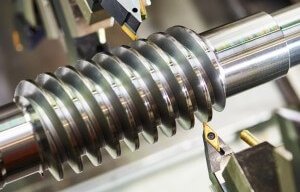
CNC Turning
(Vertical and Horizontal)

xudeng-Medical-machining-4

CNC Milling
(Vertical and Horizontal)

xudeng-Medical-machining-5

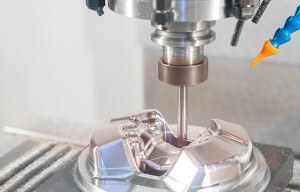
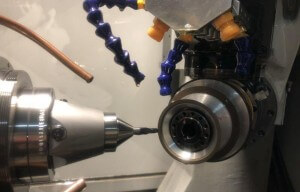
Swiss Precision CNC machining

xudeng-Medical-machining-6

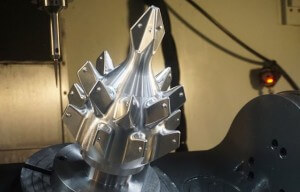
5-axis CNC Milling & CNC Turning

xudeng-Medical-machining-3

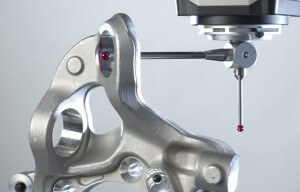
Dimensional CMM inspection
ZEISS

xudeng-Medical-machining-2

CNC Grinding

Arthroscopy-Shaver-Blades-And-Burs-Manufacturer-2

Raw Material Test

Arthroscopy-Shaver-Blades-And-Burs-Manufacturer-3

Aair Tightness Test

Arthroscopy-Shaver-Blades-And-Burs-Manufacturer-4

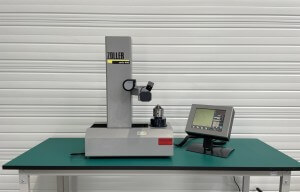
Zoller Measure

Arthroscopy-Shaver-Blades-And-Burs-Manufacturer-5

And Many More

Medical Shaver Blades and Burs Knowledges

The role and place of the Shaver Blades system in arthroscopic surgery is unquestionable, Generally speaking, it contains two types of high-performance tools: Shaver Blades and Burs. How to summarize the design concept and clinical application of the different appearance of the tools?
The following is a brief overview of three aspects.

1. Shaver Blades And Burs Structure & Shape

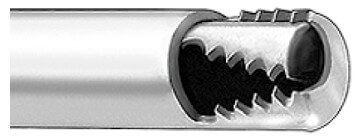
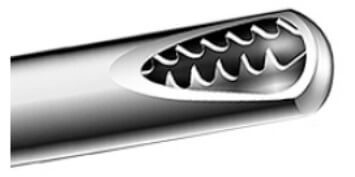
They are composed of a 1.9-5.5 mm diameter stainless steel outer sheath tube and a rotatable hollow inner tube with a “tube within a tube” structure, and designed with suction and cutting windows.
The geometric parameters such as tooth shape and edge profile of the inner and outer tube, as well as the size of the cutting window, will affect the sharpness of the blade and cutting performance.
The shafts and tips of the tools are mainly made of metal, while the shank ends are mainly made of composite plastic. They are available in a variety of sizes (lengths and diameters) and shapes (straight, curved, flexible) to meet different types of microscopic procedures.

2. Shaver Blades And Burs Operating Principle

1. Aspiration and flushing:
remove degenerative cartilaginous debris, remove free bodies and floating articular cartilage, and perform joint flushing with large amounts of saline to remove focal tissue and inflammatory media from the joint.

2. cutting and grinding:
excision of exfoliated articular cartilage separated from subchondral bone, trimming of worn cartilage defect areas; excision of torn meniscus, trimming and shaping of worn and ruptured meniscus; partial and total excision and trimming of inflamed synovial tissue such as hyperplasia and hypertrophy, etc. The intercondylar fossa is shaped by the spiral curve cutting edge of the grinding head, including removal of the intercondylar fossa that affects joint movement, revision of the tibial cartilage plateau, removal of some cancellous bone from the subchondral bone to enlarge the intercondylar fossa, elimination of impingement and wear, and normal stretching of the cruciate ligament.
3. Shaver Blades And Burs Categories

1. Shaver Blades
The Shaver Blades is usually used for soft tissue cutting. At lower speeds, i.e., in the 1800-2000 rpm range in oscillation mode, a suitable negative pressure is generated to introduce tissue into the window of the outer tube. If the speed per minute is too high, there will not be enough time for soft tissue fragments to enter, the internal component will roll up thinner tissue without achieving a cut, and harder tissue will be pushed out of the window.

The following three points discuss the difference in cutting ability from the structure of the Shaver Blades itself:
Cutting window size: the larger the window, the better the ability to remove tissue.
Cutting window position: side cutting and end cutting
Cutting window edge: with or without teeth.

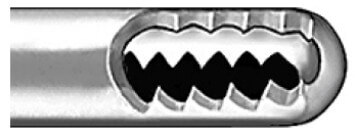
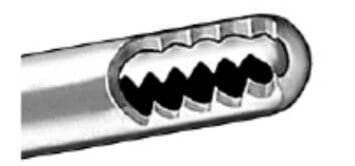
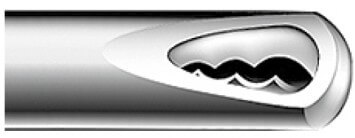
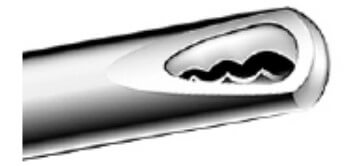
Shaver Blades can be classified according to whether the edge of the cutting window has teeth or not:

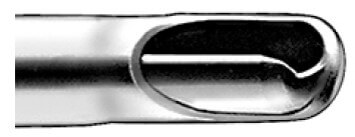
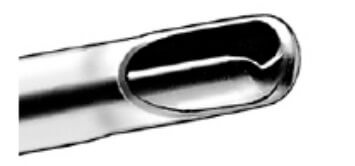
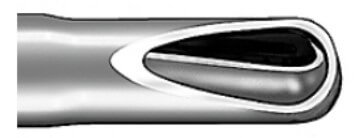
a. Both inner and outer tubes are toothless: the outer tube of the Shaver Blades with flat teeth can effectively protect articular cartilage and meniscus when the planer enters the joint cavity and reduce cutting damage

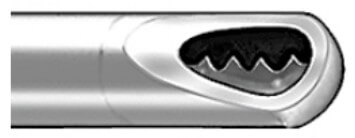
b. Inner tube with teeth and outer tube without teeth: it can ensure rapid removal of joint biological tissues such as meniscus, cartilage and synovium;

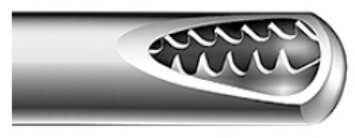
c. Both inner and outer tubes are toothed: both inner and outer tubes are toothed, which enables the Shaver Blades to fit more closely with the joint tissue, thus effectively improving the efficiency of excision of soft tissues of knee and shoulder joints, especially effective for meniscus and crease.

2. Burs.
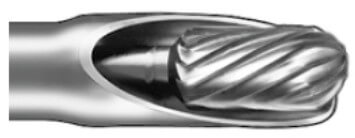
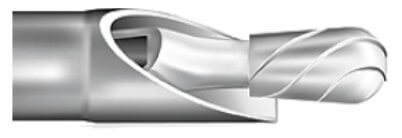
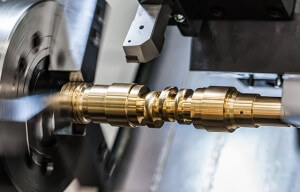
Burs are typically used for bone removal. They are generally available in spiral spherical, cylindrical, conical and ellipsoidal designs.
The fully threaded tip allows for rapid cutting of both soft tissue and bone tissue to improve surgical efficiency;
The spiral tip has an inner core to ensure smooth discharge of tissue debris, and also has a machined chip-splitting groove to ensure chip removal;
The angled tip design allows for easy access to the grinding site during surgery, and many surgeons prefer to use oval shaped tips for surgery.

The common burs is usually divided into 6, 8 and 12 edges, the smaller the number of blades, the stronger the cutting performance. The diameter can be 3-6mm, the length 76.5-126.5mm, the large diameter of the outer tube is not easy to be blocked, and the maintenance and care is very simple. The blade is sharp during surgery, with strong grinding force on the bone tissue, small action surface and precise positioning.

In forward mode, a speed of 5,000 rpm reflects its best performance. The deeper the groove pattern of the burs, the more important the high speed is. Deep grooves with large spacing tend to chatter and vibrate at low speeds. Shallow grooves that rotate at higher speeds do not provide sufficient cutting surface to the tissue. Therefore, the angle and speed of the burs edge as it approaches the bone surface becomes an influential factor in cutting performance. The cutting function of the burs performs better in forward rotation, and reverse rotation is recommended for polishing the bone surface.

arArabic